

Interior Style Lora
LoRA Training
Interior Style LoRA
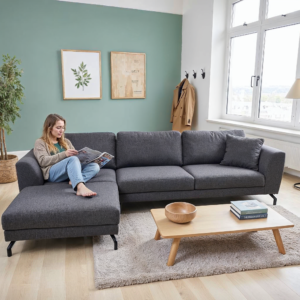
A custom LoRA trained on a specific interior design aesthetic — allowing architects, designers, and hospitality brands to generate photorealistic room visualisations in their exact signature style, on demand.
Type
Style Consistency LoRA
Tools Used
Flux, ComfyUI, Midjourney
Year
2025
Project Overview
The Challenge
Interior designers and hospitality brands have a defined signature aesthetic — a specific combination of materials, lighting, spatial proportions, colour temperature, and furniture styling that makes their work instantly recognisable. The problem with standard AI generation for these clients is that every output looks like a different designer made it. Prompts can guide mood and style broadly, but they can’t reliably reproduce the precise visual language of a specific design house across room types, layouts, and lighting conditions. The result is imagery that looks like generic AI interiors rather than their brand. A trained LoRA solves this at the model level.
The Training Process
The dataset was built from a curated selection of the client’s existing interior photography — covering multiple room types (living spaces, bedrooms, dining areas, bathrooms) and a range of lighting scenarios from natural daylight to warm evening ambience. Variety within the dataset is especially important for interior style LoRAs: training too narrowly on one room type causes the model to struggle when prompted into other spaces, even if the style should carry across them.
Each image was captioned to describe the stylistic elements — material palette, lighting quality, spatial feel, decorative language — without over-anchoring the model to specific furniture pieces or layouts that shouldn’t be locked in. Training ran on Flux Dev in ComfyUI with parameters tuned for architectural and interior subjects, which require higher fidelity to surface texture and light behaviour than most other LoRA use cases. The final model captures the client’s design signature at the level of atmosphere and material language, not just surface-level colour matching.
The Results
The client can now generate photorealistic visualisations of new spaces — rooms that don’t yet exist — that look entirely consistent with their existing portfolio and brand identity. New project pitches, marketing materials, and social content can be illustrated before a single piece of furniture is moved or a wall is painted. What previously required a styled photoshoot or expensive CGI render can now be generated in seconds, in their exact signature style, at any time.
Project Details
4
Room Types Trained Across
<30s
Per Visualisation Generated
0
CGI Renders or Photoshoots Needed
Tools Used
Flux Dev
ComfyUI
Midjourney
Adobe Photoshop
Style Elements Captured
Material & texture palette
Lighting quality & colour temp
Spatial proportions & depth
Decorative language & detailing
Overall atmosphere & mood
The Difference
Before & After LoRA
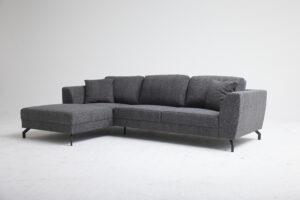
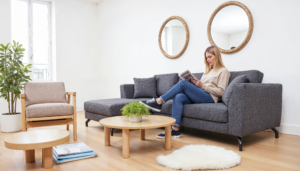
Same prompt, same room type. Left is standard Flux — a competent but generic interior. Right is with the style LoRA active — the material palette, lighting quality, and atmosphere match the client’s design signature exactly.
Sample Outputs
One Style. Every Room.
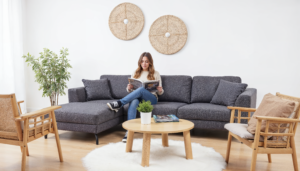
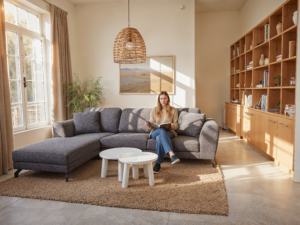
Different room types, different lighting conditions, different layouts — all generated with the same LoRA, all unmistakably the same design aesthetic.
Want your own custom LoRA?
Let’s Train Yours
Architect, interior designer, or hospitality brand with a defined visual identity? Let’s train a model on your style so you can visualise any space in seconds.